

Before we begin, Ordinary Analysis is totally free, and I’m happy to share it with you. If you want to receive every new post in your mailbox, you can subscribe by clicking on this cool button below.
A close friend of mine recently moved his parents from Kolkata to Bangalore. He’s been working for a multinational company in Bangalore for the past 18 months. His parents didn’t have much going on back home, so it made perfect sense for them to be closer to their son.
Still, it feels strange knowing that the next time I visit home, his family won’t be there. Their house had been standing for nearly 60 years, and now it’s just... empty.
This got me thinking. It’s not just his family; a lot of people I know have left their hometowns in the last few years and have “settled” someplace else.
One of my college friends, who had planned to return to India after his Master's in the U.S., ended up staying. His original idea was to come back by 2023, marry his long-time girlfriend, and take over the family business. Now it’s 2024—he’s engaged to someone else in the U.S. and has no immediate plans of returning.
Another close friend left for the Netherlands in 2018 and is living a completely different life than the one he left behind. No plans to come back anytime soon, and he’s happy with that.
At first, all of this felt a bit odd to me. In just a span of a few years, so many people from my circle have moved far away from their roots. But when I step back and really think about it, it makes sense. Migration isn’t something new. It’s part of a much larger pattern—a pattern that’s been playing out for generations.
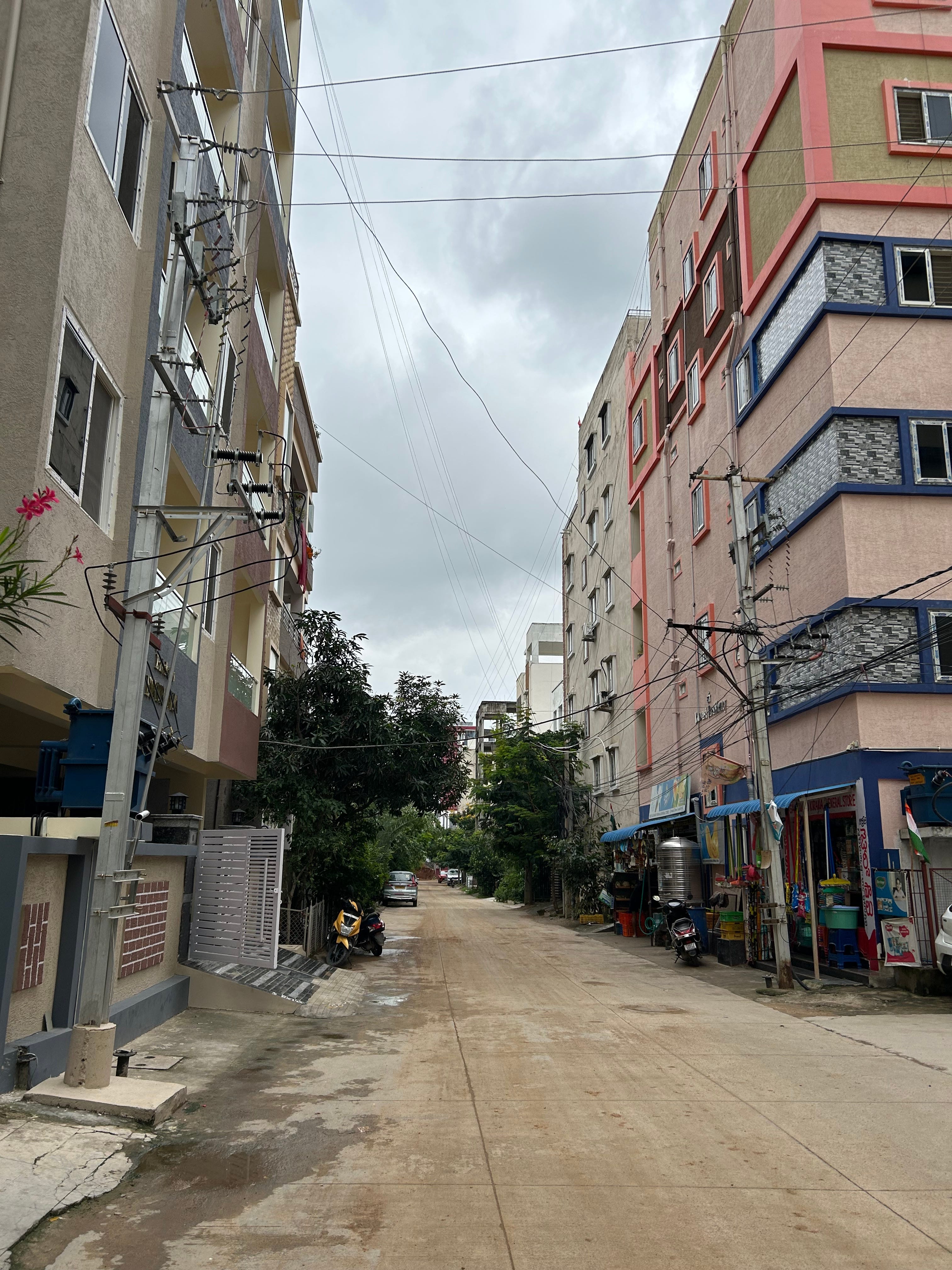
Take my own family, for instance. My grandparents were born in what is now Bangladesh. They had to flee during the Partition and settle in West Bengal, where we’ve been living for the last 70 years. But what is 70 years in the grand scheme of things? Can I even call West Bengal our family’s place of origin when the roots are elsewhere?
This shift isn't just limited to individuals or families I know. In cities like NCR, Bangalore, and Hyderabad, it’s rare to meet families who’ve been there for generations. Out of the thousands of people I’ve come across, I can only think of five families with deep roots in the city. Interestingly, two of them were my landlords!
Cities are constantly evolving, and they’ve always been hubs for economic activity. Throughout history, people have moved from villages to cities in search of better opportunities. The process of urbanization in India is accelerating, and with it, the migration of families from one place to another will only increase. The question that comes to mind is: how long does a family have to stay in a place before they can call it their home? What’s the typical length of time that marks a city as someone’s place of origin?
The more I think about it, the more I realize that the idea of ‘home’ is fluid. For most of us, home is not where our grandparents were born, or even where we grew up—it’s where life takes us next. And maybe that’s okay.
TIL: There are eight main native places
(I had started writing this for my daily journal, but it ended up here with some modifications.)
If this resonated with you, feel free to share your thoughts or this post!